
 Featured
Ayurveda
The Power of Ashwagandha for Modern Stress
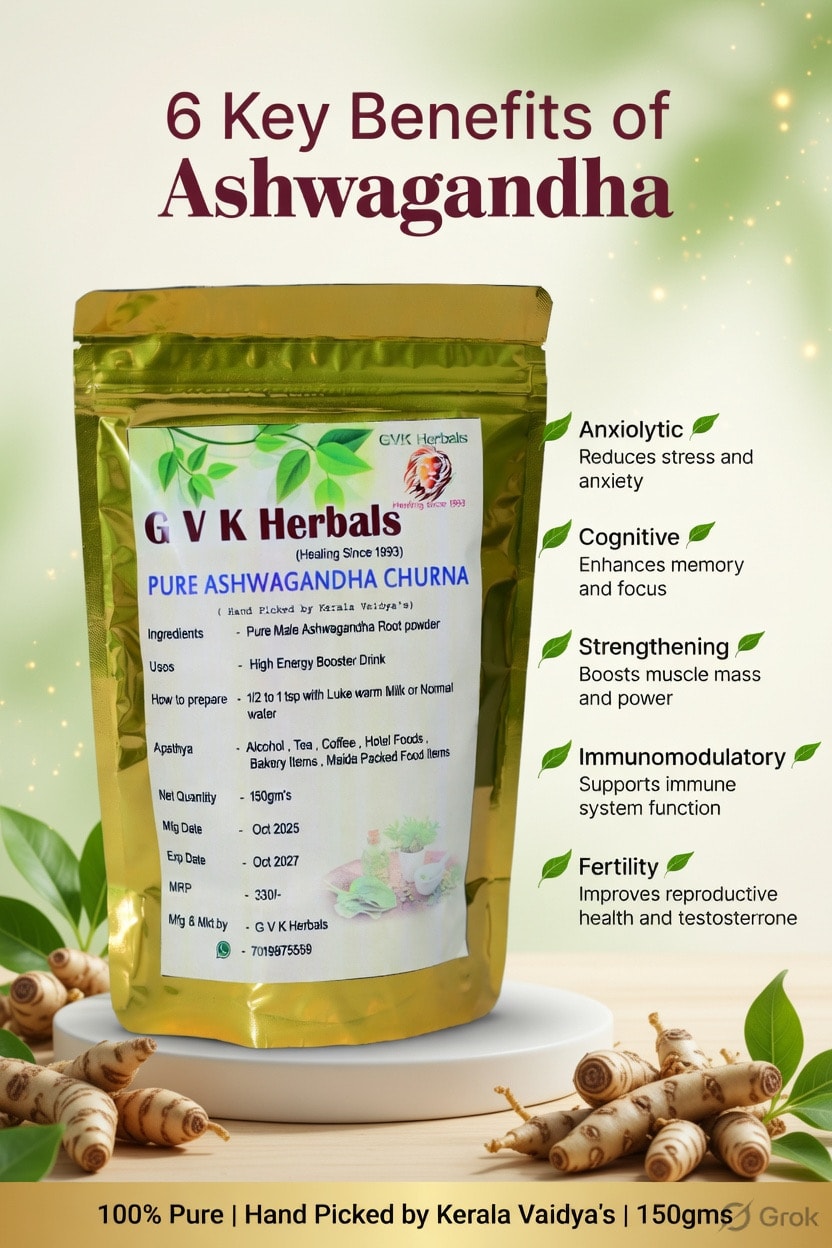
Ashwagandha is a traditional Ayurvedic herb valued for supporting calm, resilience, immunity, and everyday stamina in a demanding modern routine.
September 2, 20264 min read

Practical Ayurvedic insights on nutrition, lifestyle, and natural healing — written by Dr. Trimurthy.
FeaturedAshwagandha is a traditional Ayurvedic herb valued for supporting calm, resilience, immunity, and everyday stamina in a demanding modern routine.
FeaturedAshwagandha is a traditional Ayurvedic herb valued for supporting calm, resilience, immunity, and everyday stamina in a demanding modern routine.

Neeli, Bhringraj, and Amla are classical Ayurvedic herbs traditionally used to nourish the scalp and support healthy-looking hair.

Dinacharya is Ayurveda’s practical approach to daily rhythm, using simple habits such as early waking, hydration, and seasonal eating for lasting wellness.
Modern life asks us to stay switched on for long hours. Work deadlines, irregular sleep, travel, screens, and constant notifications can leave the mind feeling overextended and the body low on energy. Ayurveda approaches this pattern by supporting steadiness in the nervous system, digestion, rest, and daily routine. Ashwagandha, known botanically as Withania somnifera, has long been used as a strengthening herb in this tradition.
Ashwagandha is often described as an adaptogenic herb because it is traditionally used to help the body adapt to everyday physical and mental demands. Rather than offering a quick fix, it is best viewed as one part of a balanced wellness plan that includes nourishing meals, regular movement, adequate sleep, and time to unwind. Many people include it in their routine to support a calmer response to stress, sustained stamina, and a more settled feeling through the day.
The herb is also valued in Ayurveda for its nourishing quality. When stress affects appetite, sleep, or energy, a consistent routine can be especially helpful. Ashwagandha is commonly paired with warm milk or water, which makes it easy to include in a morning ritual. For general use, the recommended amount is ½ to 1 teaspoon with lukewarm milk or water in the early morning. Start with the lower amount and observe how your body responds.
Alongside stress support, Ashwagandha is traditionally used to promote immunity and stamina. These benefits are most meaningful when the basics are in place: eat fresh, balanced meals; stay hydrated; move your body daily; and protect your sleep. If you are pregnant, nursing, managing a health condition, or taking medication, speak with a qualified healthcare professional before adding any herbal supplement to your routine.
Ayurvedic hair care begins with the scalp. Just as healthy soil supports a thriving plant, a cared-for scalp creates the right foundation for healthy-looking hair. Classical Ayurvedic routines use gentle massage, regular oiling, balanced food, and rest to support this foundation. Neeli Bhringadi oil is a traditional preparation that brings together herbs valued for their relationship with scalp and hair wellness.
Neeli is traditionally associated with maintaining the natural appearance of hair, while Bhringraj is widely used in Ayurvedic hair rituals for its nourishing qualities. Amla, a fruit rich in naturally occurring antioxidants, is another familiar ingredient in traditional hair preparations. When these herbs are infused in a pure coconut oil base, the oil spreads easily through the scalp and lengths of the hair, making massage a simple and soothing part of a weekly routine.
To use a Neeli Bhringadi hair oil, warm a small amount between your palms and massage it gently into the scalp using circular motions. Work from the roots toward the ends, then leave the oil on for a period that feels comfortable before washing with a mild cleanser. Consistency matters more than quantity. A regular massage routine can help the scalp feel nourished, while the quiet time itself can become a welcome pause from a busy day.
Hair changes can also reflect stress, sleep, diet, and seasonal shifts. Support your routine with adequate protein, colourful fruits and vegetables, hydration, and restful sleep. If you experience sudden or significant hair loss, scalp irritation, or other persistent concerns, consult a qualified healthcare professional for personalised advice.
Dinacharya means daily routine. In Ayurveda, it is a practical way to bring more regularity to the body and mind by aligning everyday habits with natural rhythms. It does not require a perfect schedule or a long list of rules. Instead, it encourages a few repeatable practices that help you begin the day with intention and end it with enough space for rest.
A simple Dinacharya routine can begin with waking early, ideally before the rush of the day begins. Take a few quiet moments before reaching for a screen. Hydrate with warm or room-temperature water, then allow time for natural elimination and gentle movement. A short walk, stretching, yoga, or breathing practice can help the body feel awake without demanding too much energy.
Meals are another important part of the rhythm. Ayurveda encourages eating at regular times and choosing freshly prepared foods that suit the season. In cooler or rainy weather, warm cooked meals and spices may feel more supportive. During hotter months, lighter foods and adequate fluids can be helpful. Notice how different foods affect your digestion, energy, and sleep, then adjust gradually rather than making sudden changes.
Evening habits matter just as much as morning ones. Aim for a lighter dinner, reduce bright screens before bed, and create a consistent wind-down routine. The goal is not strict perfection; it is steady care. When small practices are repeated day after day, they can support digestion, sleep, focus, and a greater sense of balance. For personalised guidance, consult a qualified Ayurvedic physician.
Book a personal consultation with Dr. Trimurthy for tailored Ayurvedic guidance.
Book Consultation